In a world often consumed by the present, the echoes of the deep past continue to surprise and inspire. One such echo, a colossal shadow from the ancient oceans, has recently surfaced, forever altering our understanding of prehistoric marine life. This monumental discovery, formally named Ichthyotitan severnensis, isn't just about a new species; it's a testament to the power of a keen eye, the thrill of scientific collaboration, and the enduring mysteries of our planet's history. At the heart of this Ichthyotitan Severnensis: New 80-Foot Giant Rewrites Marine Reptile History is the remarkable story of an 11-year-old girl, whose chance encounter on a muddy beach unlocked the secrets of the largest ichthyosaur known to science.
A Young Explorer's Unearthing: The Genesis of the Ichthyotitan Severnensis Discovery
The year was 2020. While much of the world retreated indoors, facing unprecedented lockdowns, an adventure was unfolding on the mudflats of Blue Anchor, Somerset, UK. It was there, amidst the ebb and flow of the tide, that 11-year-old Ruby Reynolds, accompanied by her father, Justin, was scanning the terrain for fossils. What began as a leisurely pastime quickly transformed into a moment of profound scientific significance. Ruby's sharp eye spotted something unusual – a sizable fragment of bone embedded in the mud. Little did she know, this fragment belonged to a creature of truly immense proportions, a "fish lizard" that once dominated the ancient seas.
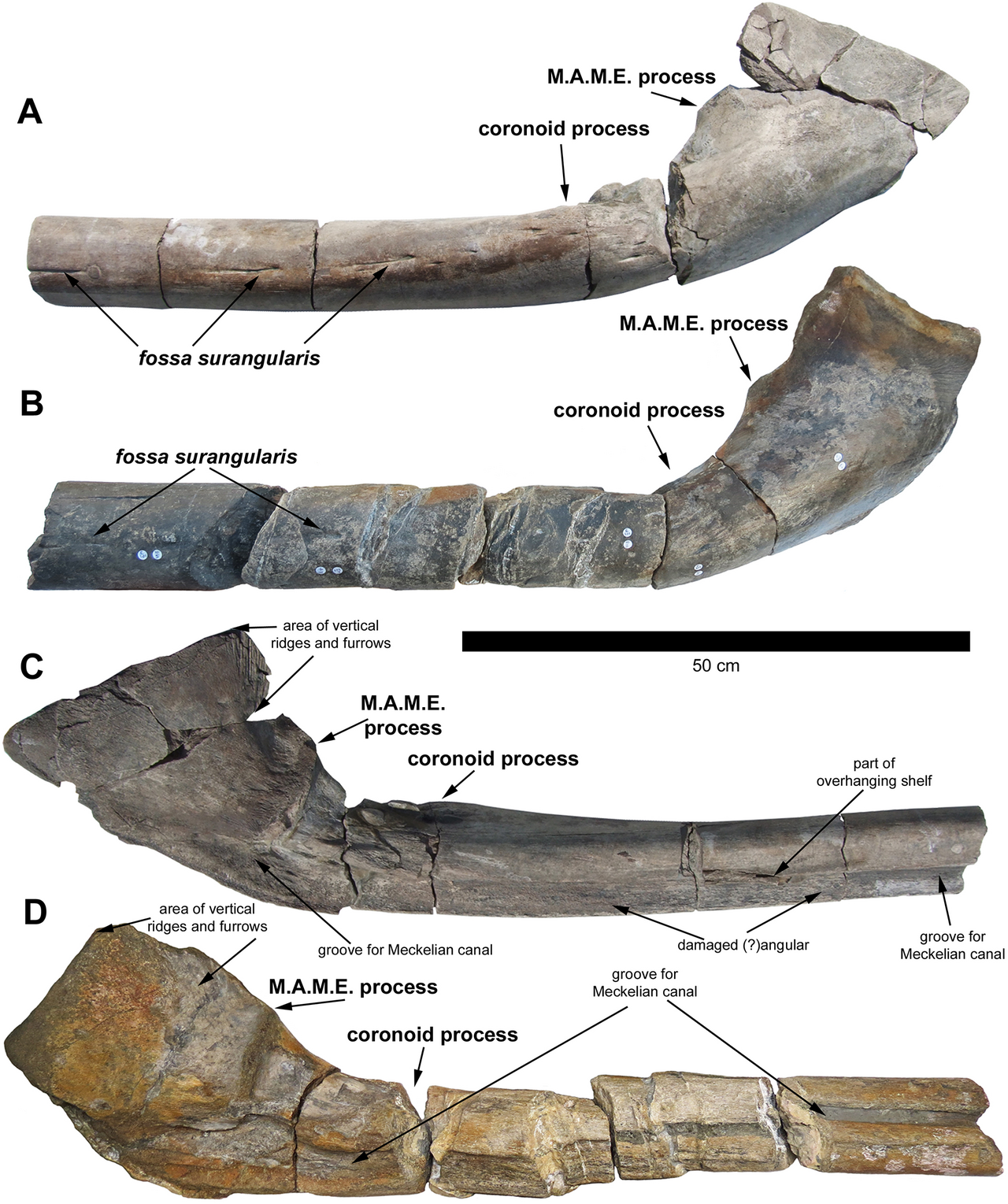
The initial find was exciting but incomplete, its true identity shrouded in uncertainty. However, this wasn't the first hint of such a giant in the region. Two years prior, in 2018, another colossal jaw piece had been discovered by fossil collector Paul de la Salle along the coast of Somerset. That initial specimen had sparked hope among paleontologists, particularly Dr. Dean Lomax, a leading ichthyosaur expert from the University of Bristol, that more pieces of this colossal puzzle would emerge. Ruby's 2020 discovery, significantly better preserved, provided the crucial evidence needed to connect the two finds. Through meticulous analysis, Dr. Lomax and his team confirmed that both massive bones belonged to the same enormous species, leading to its formal description in a 2024 paper published in the journal PLOS ONE.
This heartwarming narrative highlights the invaluable role of citizen science in paleontology. Amateur enthusiasts, with their passion and dedication, often make discoveries that professional researchers might otherwise miss. Ruby's story serves as a powerful reminder that significant scientific breakthroughs can come from anywhere, inspiring a new generation of scientists and explorers. The name chosen for this magnificent beast, Ichthyotitan severnensis, is a fitting tribute to its apparent gargantuan size (Ichthyotitan meaning "fish lizard titan") and the River Severn Estuary, where these monumental jaw fragments were unearthed.
Colossal Proportions: Unpacking the Scale of the Largest Ichthyosaur
Imagine a creature so vast that it dwarfs modern-day whales. While a complete skeleton of Ichthyotitan severnensis has yet to be found, paleontologists have made astonishing estimates based on the two six-foot-long lower jawbones, specifically a part called the surangular. These bones alone hint at an animal that exceeded 80 feet (25 meters) in length. To put that into perspective, this places Ichthyotitan in a league with some of the largest animals to ever inhabit Earth, comparable in size to a fin whale and making it unquestionably the largest ichthyosaur ever discovered.
For centuries, ichthyosaurs were known to be large, but the scale of Ichthyotitan severnensis pushes the boundaries of what scientists thought possible for these marine reptiles during the late Triassic period. While the paleontological community sounds a cautious note on exact dimensions without a complete skull, the sheer size of the jaw fragments leaves no doubt about its monstrous stature. If its body proportions were similar to other giant ichthyosaurs like Shonisaurus, then the 80-foot estimate is conservative. This remarkable size would have allowed it to be a dominant force in its ecosystem.
Fact Check: Estimating Size from Fragments
It might seem incredible to estimate the size of an animal from just two bones. However, paleontologists use comparative anatomy, studying the ratios and proportions of known, complete skeletons of related species. By measuring the length and robusticity of the jawbones and comparing them to the jaws of other large ichthyosaurs whose full body lengths are known, scientists can make highly educated estimates of the overall size of creatures known only from fragments. While always subject to refinement with more discoveries, these estimates provide a solid scientific foundation for understanding the animal's true scale.
Triassic Terror: Ichthyotitan's Place in Ancient Oceans
The discovery of Ichthyotitan severnensis offers a fresh and startling picture of life during the tail end of the Triassic period, a time often considered a "black box" for giant ichthyosaurs. Prior to this, most giant ichthyosaur finds were restricted to older rocks in North America and Asia. The presence of such a titan in late Triassic England not only expands their known geographical range but also extends the temporal window for these super-sized marine reptiles, strongly suggesting Ichthyotitan is an entirely new species, distinct from its earlier relatives.
As a creature exceeding 80 feet, Ichthyotitan would have been the ultimate apex predator of its era. Paleontologists liken it to the "killer whale of its time," hunting prey much like modern orcas. Such supersized reptiles would have required an immense amount of food to sustain their massive bodies. While direct evidence of its diet is still speculative without more fossils, the existence of multiple giant ichthyosaurs over tens of millions of years indicates a rich marine ecosystem capable of supporting such colossal carnivores.
This new Triassic Terror: Ichthyotitan Severnensis, The Ancient Ocean's Killer Whale would have played a critical role in maintaining the balance of its aquatic environment. Its predatory presence likely shaped the evolution and behavior of other marine organisms, from large fish to other marine reptiles. The oceans of the late Triassic were a dynamic and often dangerous place, and Ichthyotitan stood at the pinnacle of its food web, a true lord of the deep.
The Ongoing Quest: Challenges and Future Insights from the Ichthyotitan Severnensis Discovery
Despite the grandeur of the Ichthyotitan severnensis discovery, it also highlights the persistent challenges faced by paleontologists. Uncovering complete fossils of giant marine reptiles is notoriously difficult. Their open-ocean habitat meant that when these massive creatures died, their bodies were often exposed to scavengers for extended periods before sinking to the seabed and potentially being buried. Indeed, evidence on at least one of the Ichthyotitan jawbones suggests it had been nibbled before burial, a common fate for large carcasses in ancient oceans.
The fragmentary nature of the current evidence means that while we can marvel at its size, much remains unknown about Ichthyotitan severnensis. Scientists still need more fossils to fully understand its unique anatomical features, its precise evolutionary relationship to other ichthyosaurs, and its exact ecological niche. The hope is that future discoveries will eventually fill out the form of Ichthyotitan, providing a more complete picture of this incredible animal.
Practical Tip: Inspiring Future Paleontologists
Ruby Reynolds' story is a fantastic example of how anyone, regardless of age, can contribute to science. If you or your children are inspired by such discoveries, consider:
- Visiting Local Museums: Many museums have fossil exhibits that can spark curiosity.
- Responsible Fossil Hunting: If you live near coastal areas or quarries known for fossils, learn about safe and legal fossil hunting practices. Always check local regulations, hunt in designated areas, and never damage geological features.
- Reporting Finds: If you discover a significant fossil, especially something large or unusual, do not try to excavate it yourself. Contact local natural history museums, universities, or geological societies. They can ensure proper excavation, preservation, and scientific study, just as Ruby's family did.
- Reading and Learning: Dive into books, documentaries, and scientific articles about paleontology. The more you learn, the more you appreciate the wonders of Earth's past.
The dedicated work of paleontologists like Dr. Dean Lomax, combined with the serendipitous finds by passionate amateurs, continues to unravel the mysteries of prehistory. While Ichthyotitan severnensis is currently known from only a couple of jawbones, its significance is immense, opening a new chapter in the story of giant marine reptiles.
The discovery of Ichthyotitan severnensis stands as a monumental achievement in paleontology, bringing to light the largest ichthyosaur ever known. From the keen eye of an 11-year-old girl to the meticulous work of dedicated scientists, this "fish lizard titan" has emerged from the depths of the Triassic to captivate our imaginations. It reminds us that our planet's history is still being written, one fossil at a time, and that the ancient oceans harbored creatures of truly awe-inspiring scale. As research continues and the hope for more fossil finds persists, Ichthyotitan severnensis will undoubtedly continue to reshape our understanding of prehistoric marine ecosystems, cementing its place as one of the most exciting paleontological discoveries of our time.