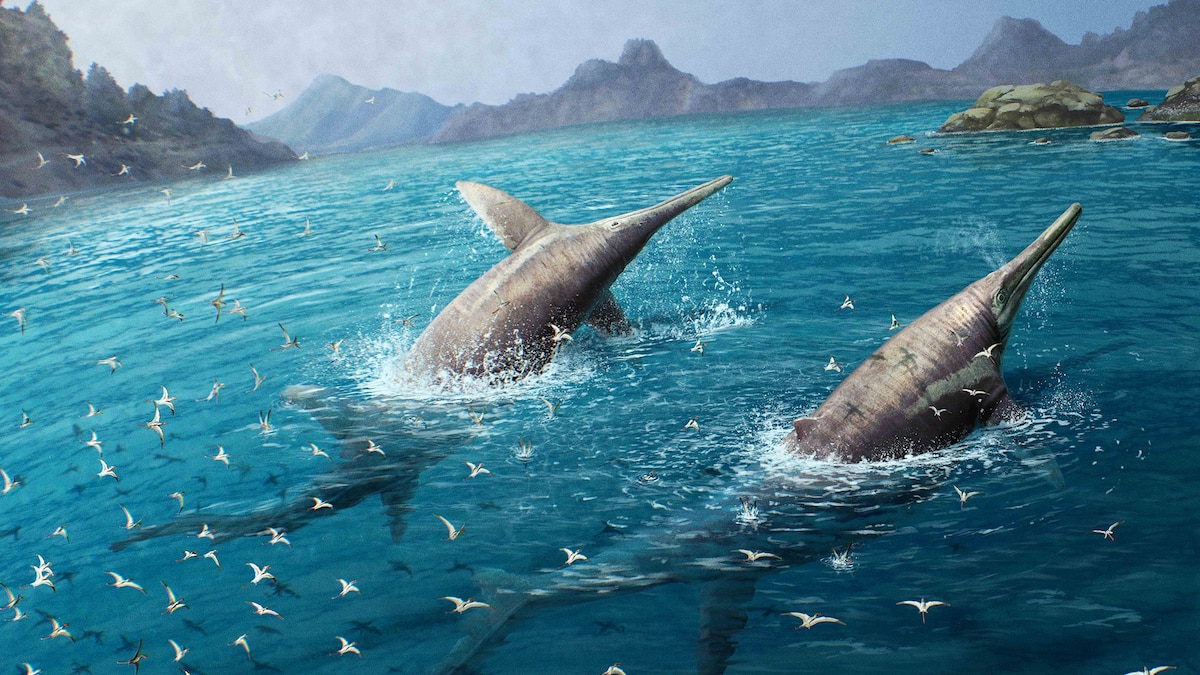
Ichthyotitan Severnensis: New 80-Foot Giant Rewrites Marine Reptile History
The ancient oceans held mysteries far grander than we often imagine, teeming with colossal predators that dominated the waves long before dinosaurs roamed the land. Among these magnificent creatures, a newly identified species has emerged from the depths of time, captivating scientists and enthusiasts alike: *Ichthyotitan severnensis*. This prehistoric "fish lizard," potentially the largest ichthyosaur ever known, is not merely a testament to the incredible scale of life during the Triassic period, but its **Ichthyotitan Severnensis discovery** also showcases the remarkable power of serendipity and citizen science. Estimated to have stretched over 80 feet, this marine giant is truly rewriting our understanding of prehistoric marine ecosystems, pushing the boundaries of what we thought possible in ancient aquatic life.
A Serendipitous Ichthyotitan Severnensis Discovery: How a Young Girl Found a Giant
The tale of *Ichthyotitan severnensis* is as extraordinary as the creature itself, beginning with an amateur fossil hunter's keen eye and a stroke of luck. In May 2020, amidst global lockdowns, 11-year-old Ruby Reynolds and her father, Justin, were exploring the mudflats of Blue Anchor, Somerset, a region rich in geological history. What started as a family outing turned into a pivotal moment in paleontology when Ruby spotted an unusual fossil fragment. This fragment, initially incomplete and its true identity uncertain, would later prove to be a crucial piece in assembling the puzzle of a truly gargantuan creature.
This discovery was not an isolated incident but rather a significant confirmation of earlier hopes. The initial whispers of a giant ichthyosaur in the area dated back to 2018, when paleontologist Dean Lomax and his team first described a tantalizingly large jawbone fragment. At the time, Lomax expressed a fervent wish: "When we first described the first specimen, I was hopeful more specimens would come to light." Ruby's 2020 find, a better-preserved jaw piece, answered that wish spectacularly. It allowed Lomax and his colleagues to confirm that both colossal bones belonged to the same enormous species, leading to its formal description in a 2024 paper. This incredible story highlights the invaluable contribution of citizen scientists to our understanding of prehistoric life. To delve deeper into this remarkable finding, you can read about the
Year-Old's Discovery: Ichthyotitan Severnensis, The Largest Ichthyosaur.
Unveiling the "Fish Lizard": What We Know About Ichthyotitan Severnensis
The formal naming of *Ichthyotitan severnensis* is a nod to both its awe-inspiring size and its geographical origin. "Ichthyotitan" translates fittingly to "fish giant," while "severnensis" references the River Severn Estuary, near where the critical second jaw fragment was unearthed.
Estimated Size and Proportions
Based on the impressive six-foot-long jawbones, paleontologists estimate *Ichthyotitan* could have exceeded 80 feet in length, placing it among the largest marine reptiles ever to roam Earth's oceans. To put this into perspective, it would have been comparable in size to a modern fin whale, making it truly one of the titans of the ancient marine world. However, scientists are careful to sound a note of caution regarding its exact dimensions. Currently, the creature is known only from two partial lower jawbones, called surangulars, and a complete skull or skeleton is yet to be found. If *Ichthyotitan* possessed similar body proportions to other well-known giant ichthyosaurs, such as *Shonisaurus*, then the 80-foot estimate holds firm. Future fossil discoveries will be crucial to fully suss out its precise size and how it differed from its giant relatives.
A Triassic Predator: Ecology and Diet
Living at the very tail end of the Triassic period, *Ichthyotitan severnensis* emerged during a fascinating, albeit poorly understood, era for ichthyosaurs—a time described by experts as "a notoriously black box." All other previously discovered giant ichthyosaurs hailed from older rocks in North America and Asia, making this European discovery a unique and significant find. Its existence during this specific period in a previously unrepresented geographic location greatly increases the likelihood that *Ichthyotitan* represents an entirely new species, offering a fresh perspective on marine life during this epoch.
As a supersized marine reptile, *Ichthyotitan* would have required an immense amount of food to sustain its colossal frame. Paleontologists believe it was the "killer whale of its time," hunting prey much like modern orcas. The sheer presence of multiple giant ichthyosaur species over millions of years points to incredibly productive ancient oceans capable of supporting such massive apex predators. The discovery of a bivalve fossil embedded on one of the jawbones further hints at its dietary habits or environment. For a deeper dive into its predatory nature, explore
Triassic Terror: Ichthyotitan Severnensis, The Ancient Ocean's Killer Whale.
The Challenge of Preserving Giants
It may seem peculiar that an animal of such immense size leaves behind such paltry remains. However, uncovering complete fossils of giant ichthyosaurs is incredibly difficult. Their lives in the open ocean meant that upon death, their bodies would have been exposed to scavengers for extended periods before burial. Indeed, at least one of the *Ichthyotitan* jawbones shows clear signs of having been nibbled before fossilization. This taphonomic challenge makes every fragment found even more precious, as each piece contributes to slowly piecing together the form of these ancient leviathans.
Rewriting Prehistoric Narratives: The Impact of this Ichthyotitan Severnensis Discovery
The **Ichthyotitan Severnensis discovery** is far more than just finding another big fossil; it's a critical piece that reconfigures our understanding of marine reptile evolution and distribution. Its presence at the very end of the Triassic period, in a region where such giants were previously unknown, expands the geographical and temporal boundaries of ichthyosaur diversity. It strongly suggests that these colossal marine predators persisted longer and inhabited a wider range of ancient oceans than previously thought, shedding light on a "black box" period in ichthyosaur history.
This find underscores several important aspects of paleontological research:
* **The Power of Citizen Science:** Ruby Reynolds' discovery exemplifies how amateur fossil hunters play a vital role in scientific advancement. Encouraging public engagement and providing guidance for responsible fossil hunting can lead to extraordinary breakthroughs.
* **The Ongoing Nature of Discovery:** Even after centuries of paleontological research, Earth's ancient history continues to surprise us. New species, especially those of such immense scale, are still waiting to be unearthed, demonstrating that our knowledge is constantly evolving.
* **Challenges of Fossilization:** The fragmented nature of *Ichthyotitan*'s remains serves as a practical lesson in the realities of fossil preservation. It highlights why complete skeletons of massive, open-ocean dwelling creatures are exceptionally rare and why even small fragments can be incredibly informative.
* **Comparative Anatomy Insights:** The cautious comparison to other giant ichthyosaurs like *Shonisaurus* is a practical approach in paleontology. By drawing parallels with better-known relatives, scientists can make educated estimates about unknown features, while always acknowledging the need for more direct evidence.
With luck, future discoveries will continue to fill in the missing pieces of *Ichthyotitan*'s form. While its exact dimensions might be refined with more evidence, there's no doubt that this magnificent ichthyosaur represents a pivotal new chapter in the saga of Earth's ancient giants.
Conclusion
The **Ichthyotitan Severnensis discovery** stands as a monumental achievement in paleontology, thanks in large part to the sharp eyes of an 11-year-old girl. This colossal marine reptile, potentially reaching over 80 feet, has dramatically altered our perceptions of life in the Triassic oceans. As the largest known ichthyosaur, *Ichthyotitan* reinforces the idea that the ancient seas harbored predators of truly epic proportions, comparable to or surpassing the largest creatures of today. Its existence challenges previous geographical and temporal assumptions about ichthyosaur evolution, opening new avenues for research and inspiring future fossil hunts. As scientists continue their work, the story of *Ichthyotitan severnensis* serves as a powerful reminder of the endless wonders hidden within our planet's deep past, waiting for the next explorer to bring them to light.